

LOUMIS Air Explains Why Equipment Location Matters in Commercial HVAC Design
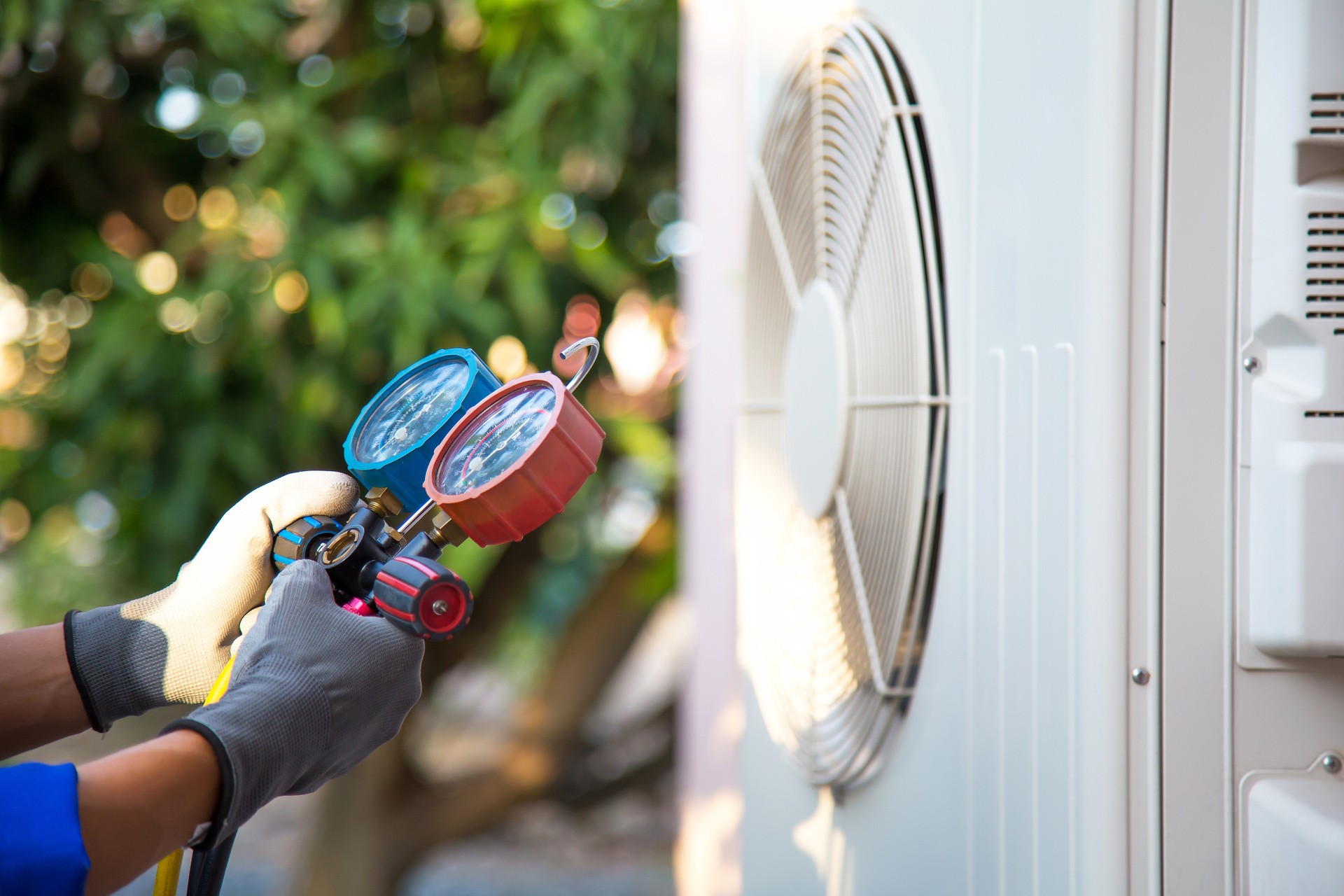

Equipment location is part of the mechanical system design, not simply a matter of finding an open space”
SLIDELL, LA, UNITED STATES, September 28, 2026 /EINPresswire.com/ -- — Jennifer Lingo
Commercial heating, ventilation, and air conditioning systems are often evaluated by capacity, efficiency ratings, controls, and equipment type. Another factor can have a significant effect on performance and serviceability: where the equipment is physically located.
LOUMIS Air, which services Louisiana and Mississippi, is providing information about how equipment placement can affect airflow, maintenance access, energy use, drainage, noise, structural requirements, and long-term operation in commercial HVAC systems.
The location of rooftop units, air handlers, condensers, chillers, ductwork, mechanical rooms, and related components is typically determined during the design and construction process. Those decisions can influence how efficiently conditioned air moves through a building and how easily equipment can be inspected, maintained, repaired, or replaced.
“Equipment location is part of the mechanical system design, not simply a matter of finding an open space,” said Jennifer Lingo with LOUMIS Air. “Access, airflow, drainage, heat exposure, structural conditions, and the surrounding environment can all affect how the equipment operates and how future maintenance is performed.”
Distance Can Affect Airflow and Duct Design
Commercial HVAC systems often move large volumes of conditioned air through ductwork serving multiple areas of a building.
The farther that air must travel, the more attention must be given to duct sizing, resistance, turns, transitions, and pressure losses.
Poor equipment placement can require longer duct runs or complicated routing. Additional bends and restrictions may increase static pressure within the system, which can affect airflow and fan operation.
Central equipment placement can sometimes reduce duct distances, but central placement is not always practical. Building layout, tenant spaces, roof design, structural conditions, and existing infrastructure can influence available locations.
The goal is to coordinate equipment placement with the overall airflow design rather than treating the two as separate decisions.
Service Access Matters After Installation
Commercial HVAC equipment requires ongoing inspection and maintenance.
Filters need replacement. Coils require cleaning. Belts, motors, bearings, electrical components, controls, drains, and refrigerant circuits may require service during the life of the system.
Equipment installed in a difficult location can turn routine maintenance into a larger task.
Mechanical rooms need sufficient working clearance. Rooftop equipment may require safe access. Ceiling-mounted equipment needs access panels positioned in locations that allow technicians to reach important components.
If equipment is placed directly above finished ceilings, sensitive workspaces, or areas filled with permanent fixtures, access can become complicated.
Planning for maintenance during the design phase can reduce the need to remove walls, ceilings, furniture, or other building components later.
Outdoor Equipment Needs Adequate Airflow
Condensing units and other outdoor equipment require proper airflow around the cabinet.
Placing equipment too close to walls, fences, other mechanical units, or architectural structures can restrict airflow.
Hot discharge air can also recirculate into equipment if units are positioned too closely together or within confined areas.
That condition can increase operating temperatures and affect system performance.
Commercial buildings sometimes contain multiple pieces of mechanical equipment on a single roof or service yard. Layout becomes especially important when several units must operate simultaneously.
Manufacturer clearance requirements, service access, prevailing conditions, and heat rejection should all be considered when determining placement.
Rooftop Placement Creates Additional Considerations
Rooftop HVAC equipment is common in commercial buildings because it can preserve interior floor space and place mechanical systems near duct distribution points.
The roof, however, introduces its own design considerations.
Structural capacity must account for equipment weight. Curbs and penetrations need proper coordination with roofing systems. Drainage patterns need consideration so water does not collect around equipment or service areas.
Exposure to sunlight and weather can also affect rooftop systems.
Louisiana and Mississippi commercial properties may experience high temperatures, heavy rainfall, wind, severe storms, and tropical weather. Equipment placement should account for the environment in which the system will operate.
Safe service access also becomes important. Technicians may need designated walkways, ladders, roof hatches, guardrails, or other access provisions depending on the building.
Drainage Can Influence Equipment Location
Air conditioning systems remove moisture from indoor air.
That moisture must go somewhere.
Condensate drainage is therefore another factor in equipment placement.
Drain lines generally need proper slope and routing. Difficult equipment locations can require longer drainage paths, additional piping, pumps, or more complex configurations.
Clogged or improperly designed condensate drains can contribute to water accumulation, leaks, ceiling damage, microbial growth, or equipment shutdowns.
Placement that allows practical drainage can simplify system operation and maintenance.
Noise and Vibration Affect Occupied Spaces
Commercial HVAC equipment contains motors, compressors, fans, pumps, and other moving components.
Those components can create sound and vibration.
Equipment installed near offices, conference rooms, medical spaces, hospitality areas, classrooms, recording spaces, or residential-style occupancies may require additional attention to vibration isolation and acoustic control.
“Equipment can operate normally and still create problems if the location allows vibration or sound to transfer into occupied areas,” Lingo said. “Mechanical design has to consider what is around the equipment as well as the equipment itself.”
Isolation pads, spring isolators, flexible connections, structural reinforcement, and equipment orientation can all play roles in reducing unwanted sound transmission.
Heat Sources Can Affect Performance
Location relative to other equipment can also matter.
Commercial kitchens, manufacturing equipment, boilers, electrical rooms, and other heat-producing areas can create elevated temperatures.
Placing HVAC components where surrounding air is unusually hot may affect performance or increase operating demands.
Outdoor equipment positioned near exhaust vents can face additional concerns if grease, chemicals, dust, or other contaminants enter coils or air pathways.
The surrounding environment should therefore be evaluated alongside available physical space.
Replacement Needs Should Be Considered Early
Commercial HVAC equipment eventually reaches the end of its service life.
Replacement can become difficult when equipment was originally installed in a location with no practical removal path.
Large air handlers located inside mechanical rooms may require doors, wall openings, roof access, or removable panels capable of accommodating future replacement.
Chillers, boilers, and other large equipment may require even more planning.
Designing only for initial installation can create complications years later when the original unit needs to leave the building.
Equipment Placement Is Part of System Design
Commercial HVAC design involves more than selecting equipment with sufficient heating and cooling capacity.
The physical location of that equipment influences airflow, drainage, maintenance, noise, vibration, structural requirements, weather exposure, and eventual replacement.
A location that appears convenient during construction may create operating or maintenance challenges later.
Careful equipment placement considers both immediate installation requirements and the conditions the system will encounter throughout its service life.
In commercial HVAC design, where equipment goes can matter almost as much as what equipment goes there.
Morgan Thomas
Rhino Digital, LLC
+1 504-875-5036
email us here
Visit us on social media:
Facebook
Legal Disclaimer:
EIN Presswire provides this news content "as is" without warranty of any kind. We do not accept any responsibility or liability for the accuracy, content, images, videos, licenses, completeness, legality, or reliability of the information contained in this article. If you have any complaints or copyright issues related to this article, kindly contact the author above.
